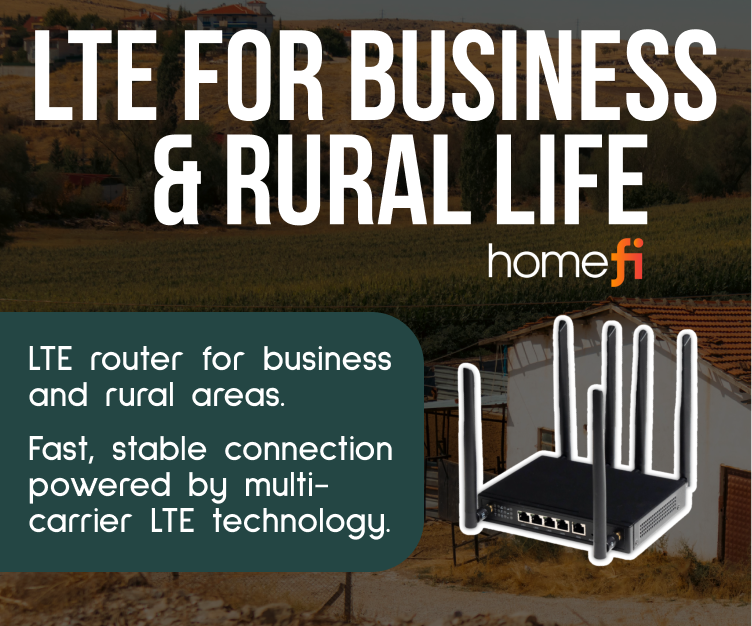
When cable or fiber is limited—or a long contract simply does not fit—wireless internet can be worth considering. The important part is checking coverage, plan terms and equipment details before buying.
What makes this type of service different?
Instead of relying on a cable running directly into the property, LTE or 5G home internet connects through available cellular networks. A router then shares that connection with phones, laptops, TVs and other devices over Wi-Fi.
No long-term contract
Useful for people who prefer flexibility instead of a lengthy commitment.
Simple setup
Wireless equipment can reduce the need for a traditional cable installation.
Portable use cases
Potentially relevant for rural properties, small businesses and RV living.
Five checks to make before choosing a plan
- Confirm address availability. Coverage can vary from one neighborhood—or even one property—to another.
- Review data and speed terms. Look for any usage limits, prioritization rules or plan-specific conditions.
- Check the return policy. A trial or return window can be useful when testing reception at a specific location.
- Think about device placement. Router position can affect reception and Wi-Fi performance inside the building.
- Read the full offer terms. Pricing, equipment and service details should be confirmed on the official offer page.
Traditional wired internet vs. wireless LTE internet
| Consideration | Traditional wired plan | Wireless LTE option |
|---|---|---|
| Installation | May require technician or wiring | Can use plug-in wireless equipment |
| Availability | Depends on local cable or fiber buildout | Depends on supported wireless coverage |
| Mobility | Usually tied to one address | Some equipment may suit flexible use cases |
| Contract | May include a term commitment | HomeFi advertises no-contract options |
Who may want to explore it?
This category may be relevant for homes outside strong cable or fiber areas, remote workers, small businesses, digital nomads and RV users. Suitability still depends on coverage and the exact plan available at the intended location.

Check plans available for your location
Review current availability, pricing and the full terms on the official offer page.
Common questions
Is wireless internet available everywhere?
No. Availability and performance depend on supported network coverage at the service address.
Does no contract mean there are no other terms?
No. Always review pricing, equipment, billing, returns and service terms on the official offer page.
Is the same setup right for every home?
No. Building materials, terrain, network conditions and router placement can all affect results.